Where straight booms fit local work
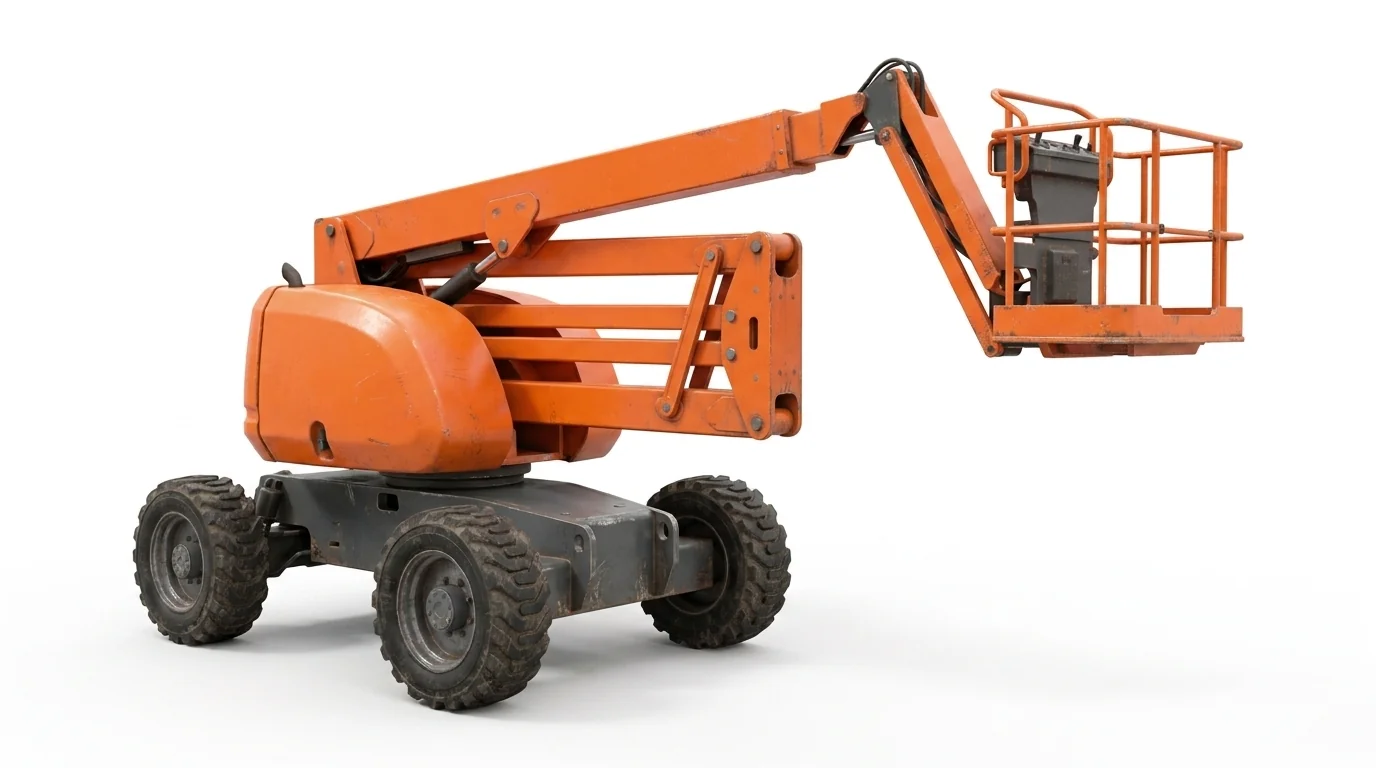
Industrial and distribution sites around Lafayette frequently have wide, open approaches where a straight boom can set back from the building line and reach across canopies or setbacks. Exterior signage, facade repairs, and elevated conduit runs with minimal overhead clutter are typical matches.
Weather and surface planning
The regional climate brings frequent heavy rain, leaving soft or silty ground near job edges. That affects whether a rough-terrain straight boom is suitable and where you can stage it. Confirm the ground can support the unit where it must sit. If access is tight or you must weave around obstacles, compare /articulating-boom-lift-rental/.
Actual conditions, equipment instructions, and site procedures govern exterior and elevated work.
Reach, geometry, and constraints
- Stand-off distance: measure how far the machine must sit from the structure due to curbs, ditches, or landscaping.
- Required height vs. outreach: note the highest work point and the horizontal distance at that height; straight booms specialize in covering long reach with fewer joints.
- Swing radius and setup area: verify you have the pad size and clearance for rotation without clipping fencing or stored materials.
Lafayette use patterns
- Long runs along warehouse exteriors and distribution fronts where you can park on paving and swing unobstructed.
- Energy-service yards and fabrication sites where a clear approach supports direct, extended outreach to elevated equipment.
- High-elevation maintenance on structures fronted by setbacks, where scissor lifts cannot reach horizontally; for vertical slab-only tasks, see /electric-scissor-lift-rental/.
Related planning resources
When outdoor work proceeds into the evening or during outages, coordinate temporary lighting or power at /generators-light-towers-rental/. For access alternatives on uneven surfaces with mostly vertical tasks, consider /rough-terrain-scissor-lift-rental/.