When an articulating boom makes sense in Lafayette
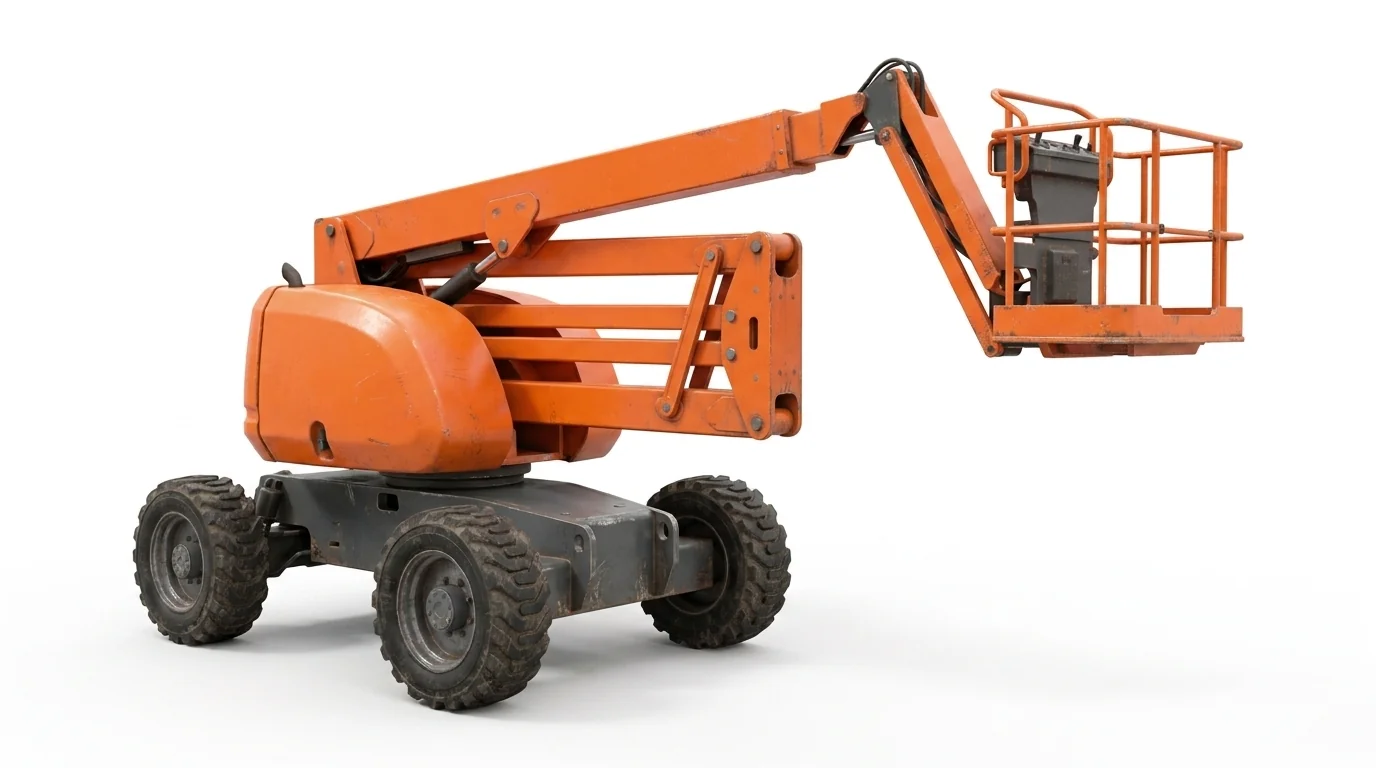
The job geometry comes first. If duct runs, piping, awnings, or interior features prevent a straight approach, a jointed boom that can lift, extend, and then articulate around the obstruction is the usual path. Local medical and retail spaces often require non-marking tires and compact tailswing to protect floors and fixtures, while industrial sites favor models with more outreach and shielding for exterior work.
Indoor vs. outdoor considerations in the regional climate
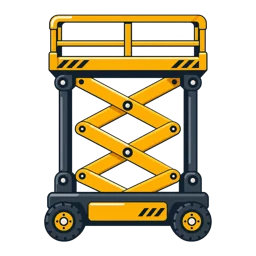
- Indoors on finished slab: favor electric or hybrid articulating units with non-marking tires. These fit routine tasks in clinical corridors and high-bay retail areas where emissions and floor care matter. For slab-only work with more vertical travel and fewer obstacles, compare an electric scissor: /electric-scissor-lift-rental/.
- Outdoors on saturated or silty ground: frequent rain can leave soft surfaces around loading yards and service alleys. Rough-terrain versions with larger tires and oscillating axles help stability on uneven ground. For straight-up exterior work without obstacles, also see /telescopic-boom-lift-rental/.
Actual site conditions, the selected unit’s instructions, and your procedures govern what is acceptable at height.
Dimensions and access planning
- Entry path: measure door clear heights and widths, turn radii in corridors, and any ramp grades leading to the work area.
- Set-down area: confirm the machine can sit below the task without blocking life-safety paths. Check overhead clearance for jib articulation.
- Reach envelope: note the horizontal outreach needed to clear the obstruction and the vertical height at the final work point. Articulation helps when you must go up, over, and back down to the target.
Common Lafayette use cases
- Facility care in regional healthcare and retail buildings where fixtures and signage create overhead conflicts.
- Energy-service yards and fabrication areas with piping, racks, and canopies that rule out a straight boom approach.
- Exterior facade repair where you must reach over landscaping berms or loading structures; if the ground is soft, compare /rough-terrain-scissor-lift-rental/ for slab-style tasks without overreach needs.
Coordinating support gear
Projects that stage outside during wet periods may also need site power or light. When relevant, plan temporary power and illumination at /generators-light-towers-rental/, and consider perimeter control at /temporary-fencing-barricades-rental/.