Start with ground conditions
Confirm the surface the lift will sit on: - Unpaved or newly graded areas may be soft or rutted after rain. - Partially cured slabs can be surrounded by saturated base or ponding water. - Access paths from staging to the work face may include transitions, curbs, and ramps that affect approach and departure angles.
Machine traits that matter outdoors
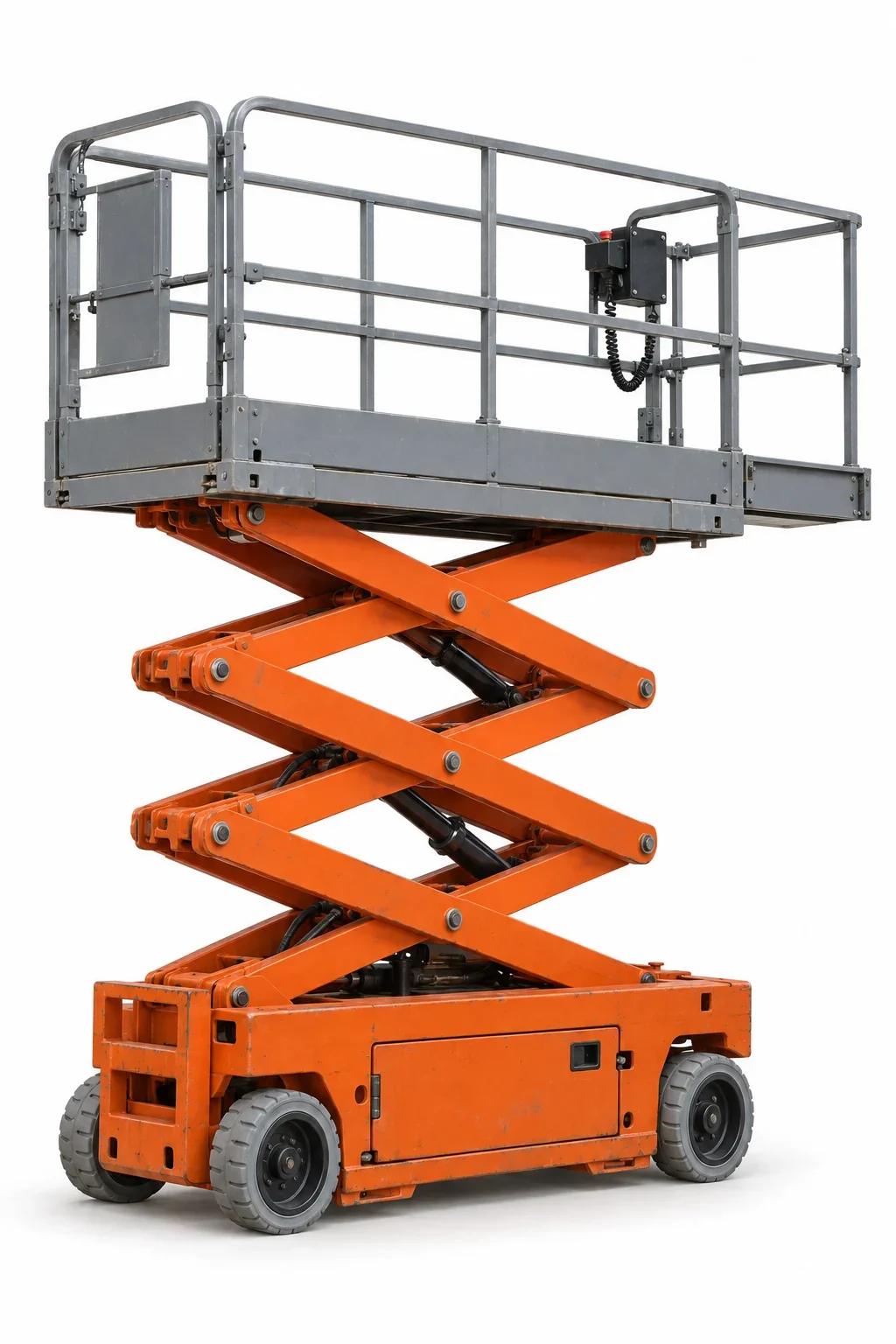
- Chassis and tires: Wider stance and rough‑terrain tires help on uneven ground compared to slab units.
- Ground clearance: Helps over ruts and transitions common on developing sites around Lafayette’s industrial and commercial projects.
- Platform capacity and deck size: Useful for cladding, framing, and mechanical installs where tools and materials ride up with the crew.
Local project patterns
- Energy‑service and manufacturing sites often mix paved yards with compacted base. The lift may move between firm and softer areas through the day.
- Retail façades and canopy work along busy corridors can require curb and ramp transitions from staging to the elevation point.
- Weather swings can quickly change soil support; a site that was workable in the morning can soften after a storm.
When a rough‑terrain scissor isn’t enough
If the task requires reaching over equipment, pipe racks, or architectural features, a boom’s horizontal reach may fit better. Compare options at /boom-lift-rental/ and /aerial-lift-rental/.
Planning checklist
- Verify ground bearing conditions along the travel path and at the work position.
- Note maximum grade changes, ramps, and thresholds.
- Record required platform height and any material loads that must ride on the deck.
- Identify areas where indoor floors begin; switching to an electric slab scissor at door thresholds may protect finished surfaces. See /electric-scissor-lift-rental/.