Load, reach, and route define the machine
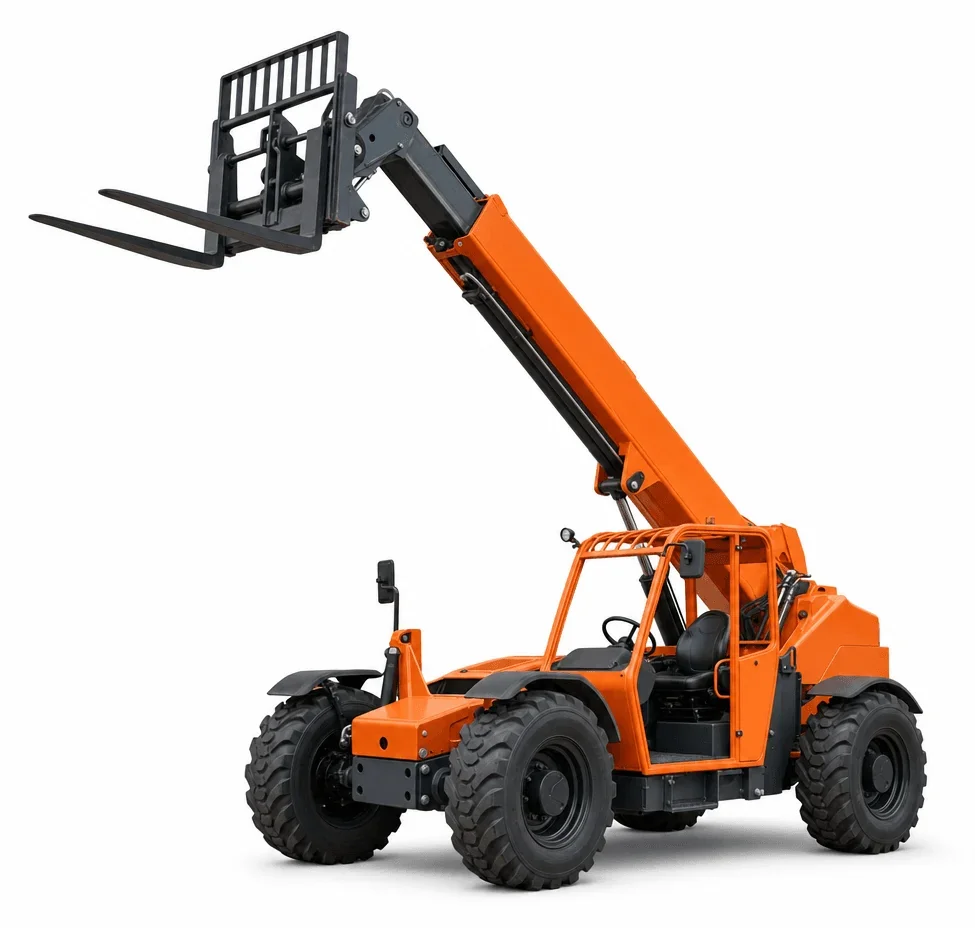
- Load chart first: confirm the weight and dimensions of what must be placed, and the reach at which it will be handled. Rated capacity decreases as the boom extends.
- Placement height: note eave lines, mezzanine decks, or roof edges where the load will land.
- Travel path: measure widths, turning areas, grades, and any soft sections after rain. Yards in the area can hold water, and silty soil may rut under repeated passes.
Local conditions that change the pick
Energy-service corridors and fabrication shops often need mid to higher-capacity units for pipe bundles or equipment skids. Distribution sites near major corridors typically need moderate capacity but long forks to reach into trailers or staging racks. In wet periods, rough-terrain features and tires suited to mixed surfaces are common requirements.
Actual conditions, the unit’s instructions, and jobsite procedures govern how and where elevated loads are handled.
Attachment and clearance planning
Even when using standard forks, check: - Overhead conflicts at the set point, such as eaves or conduit. - Stabilizing surface at the landing zone. - Visibility constraints in tight yards; spotter policies and traffic plans are site-driven.
Alternatives for purely vertical access
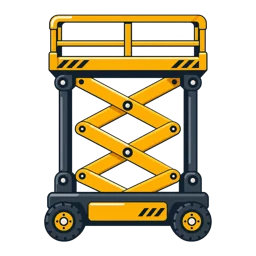
If the task is personnel access rather than material placement, look at /boom-lift-rental/ for elevated work areas, or /rough-terrain-scissor-lift-rental/ when the goal is straight-up access on uneven ground. For indoor slab tasks in medical or retail spaces, /electric-scissor-lift-rental/ typically fits better.
Supporting site needs
Long days or storm-related downtime may require light and power. Coordinate equipment at /generators-light-towers-rental/. For laydown security or crowd control during retail remodels, see /temporary-fencing-barricades-rental/ and storage options at /storage-containers-rental/.